Leadership
-
Matthew Dent
President & Chief Executive Officer
-
Kevin Conaway
Executive Vice President & Chief Financial Officer
-
Emily Brown Cotney
Senior Vice President – Chief Employee Experience Officer & Legal Counsel
-
Mike McDonald
Senior Vice President of Manufacturing & Supply Chain
-
Robin McKean
Senior Vice President of Integrated Services
-
David Miller
Senior Vice President of Customer Strategy, Marketing & Brand Development
-
Wayne Wisdom
Senior Vice President – Chief Business Operations Officer





Board of Directors
-
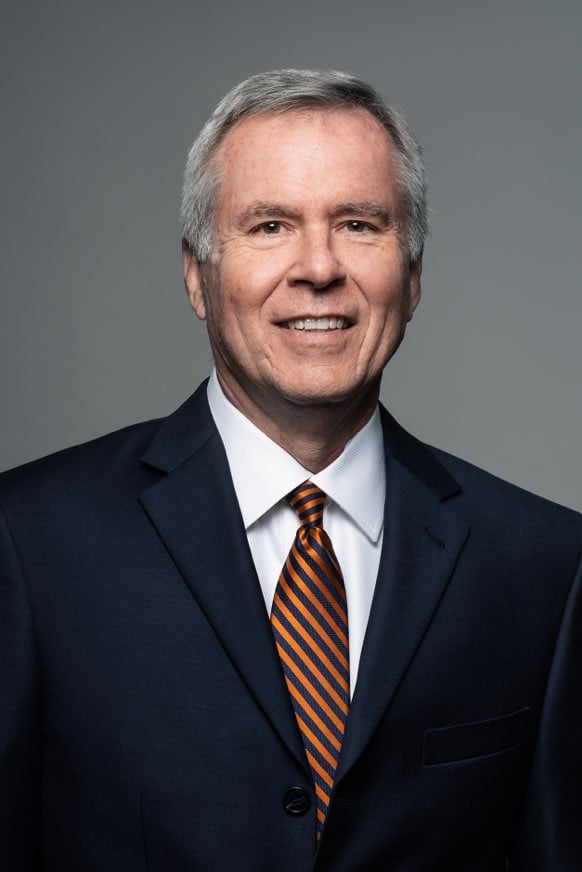
Jimmy C Lee III
Chairman of the Board, Owner of Buffalo Rock Company
-
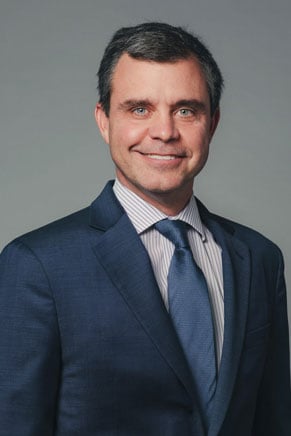
Bruce Parsons
Vice Chairman of the Board
-
Kevin Conaway
Board Member, Buffalo Rock Company Executive Vice President and Chief Financial Officer
-
Emily Brown Cotney
Board Member, Senior Vice President – Chief Employee Experience Officer & Legal Counsel
-
Matthew Dent
Board Member, Buffalo Rock Company CEO and President
-
Phil Lane
Board Member
Since 1901
From the very beginning, we have been innovators – adapting, growing and building our company into what it is today. And because of those efforts we have established ourselves as a leader, leveraging more than a century of experience to become one of the most recognized, respected and dynamic bottlers in the industry.
Our History
-
1901
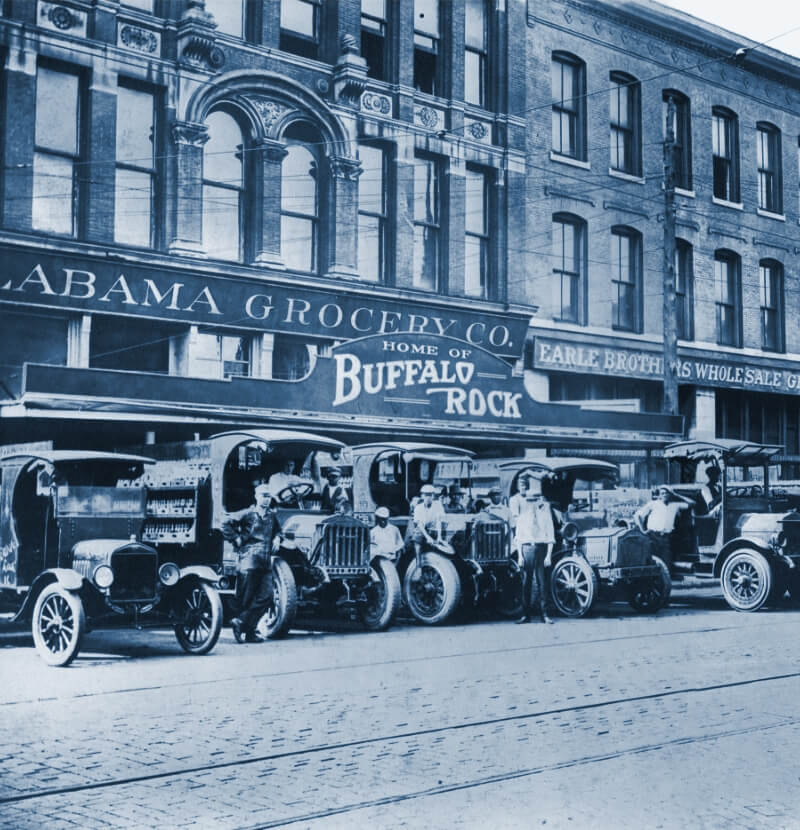
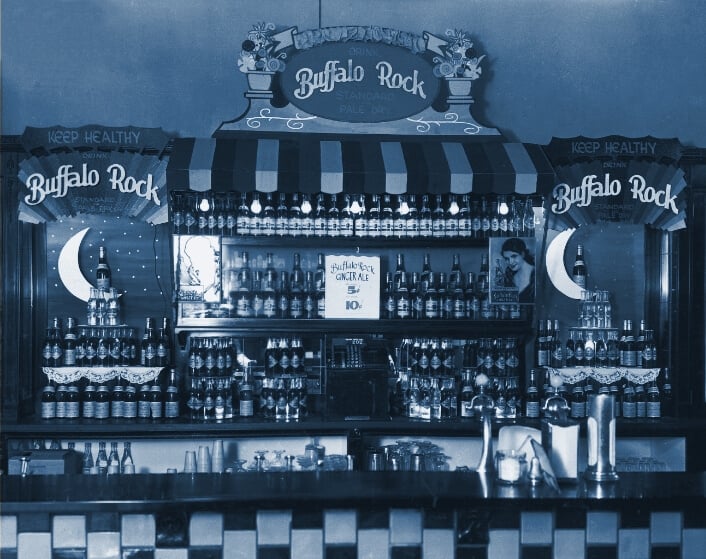
Sidney Lee merged his wholesale grocery firm with a competitor to form The Alabama Grocery Company. In the basement, he experimented with his father-in-law’s ginger ale recipe.
-
1904
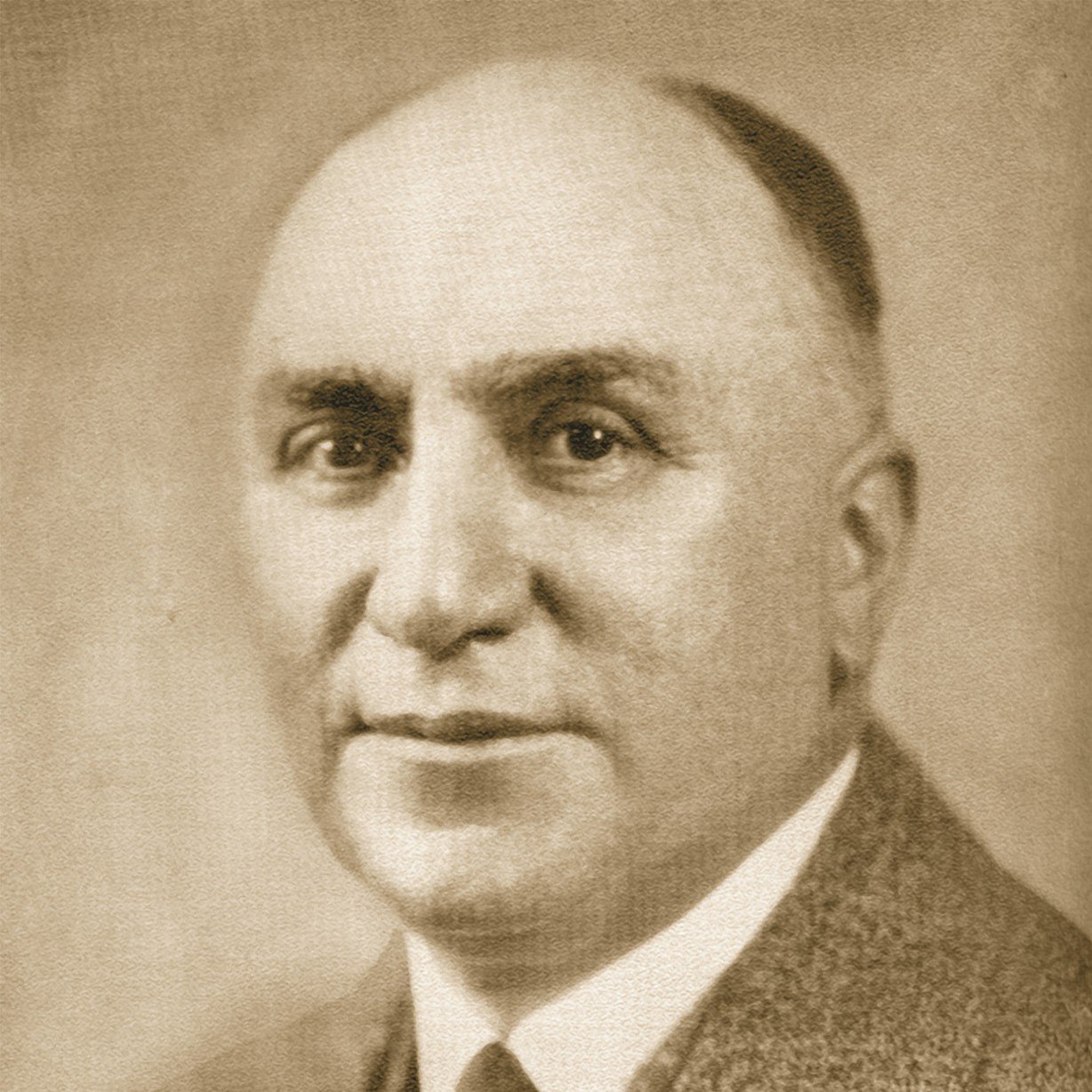
The Alabama Grocery Company moved to 1801 First Ave. N, dedicating additional space to its growing bottling operations.
-
1906
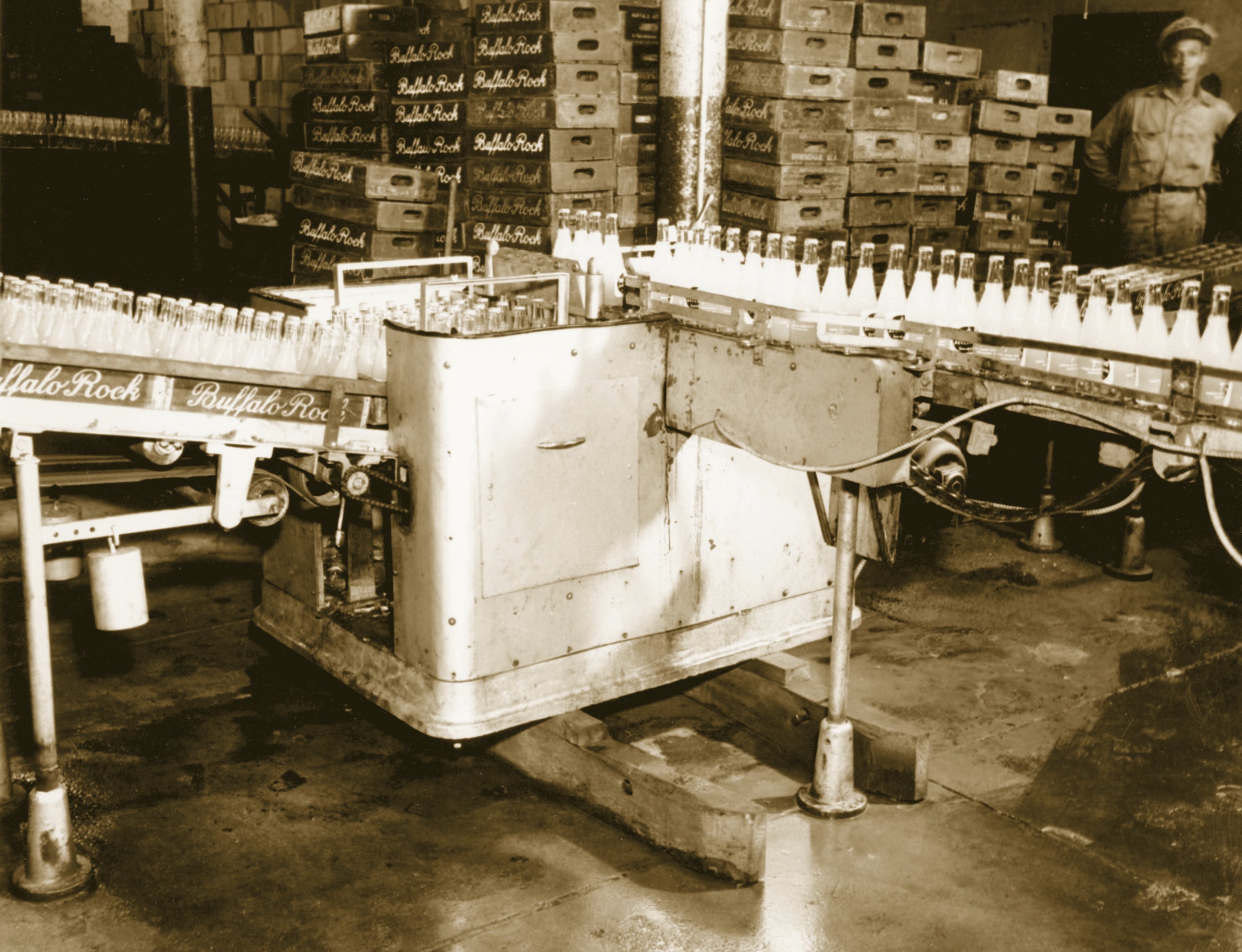
The company introduced Buffalo Rock Ginger Ale, based on a recipe created by pharmacist Ashby Coleman, Lee’s father-in-law.
-
1909
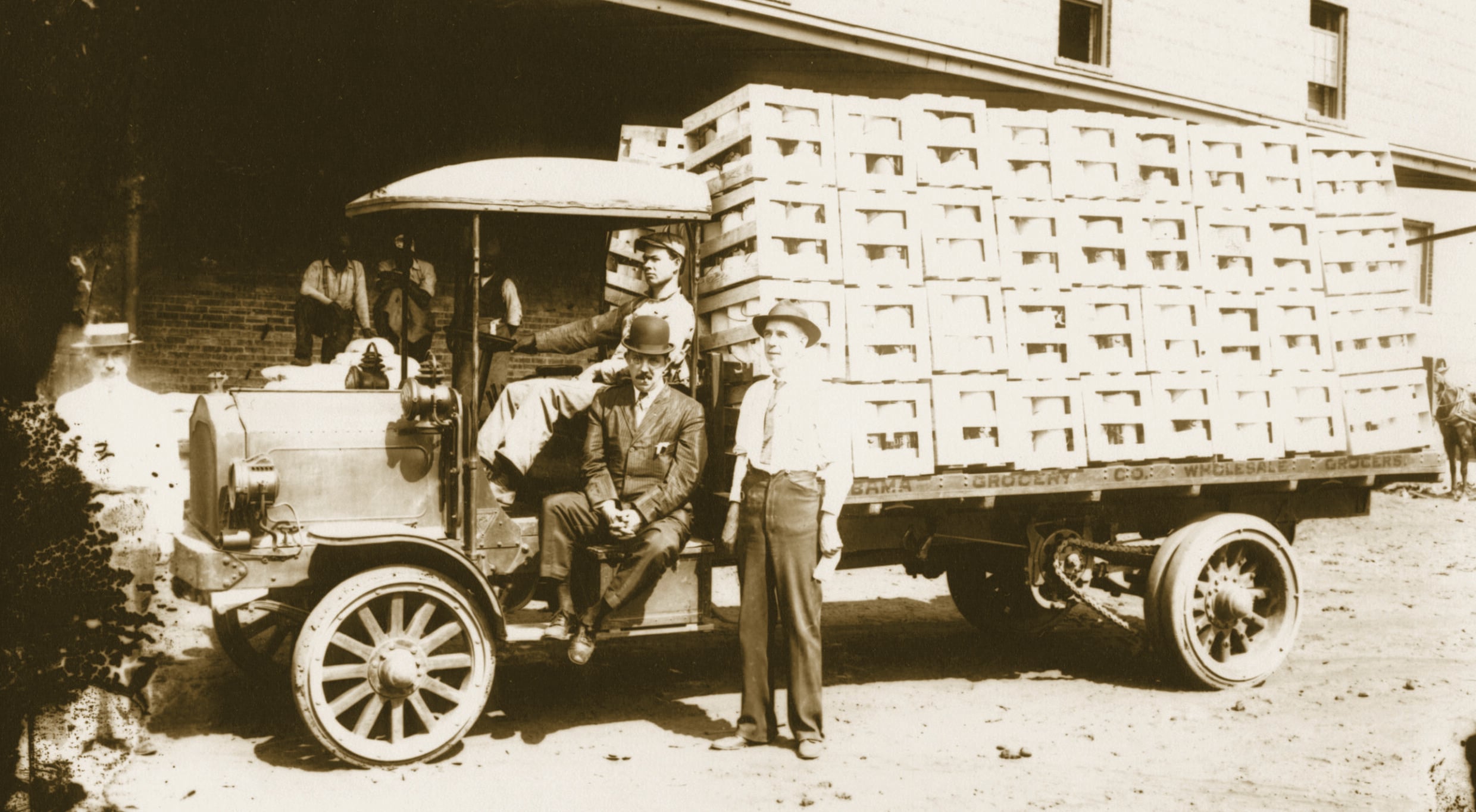
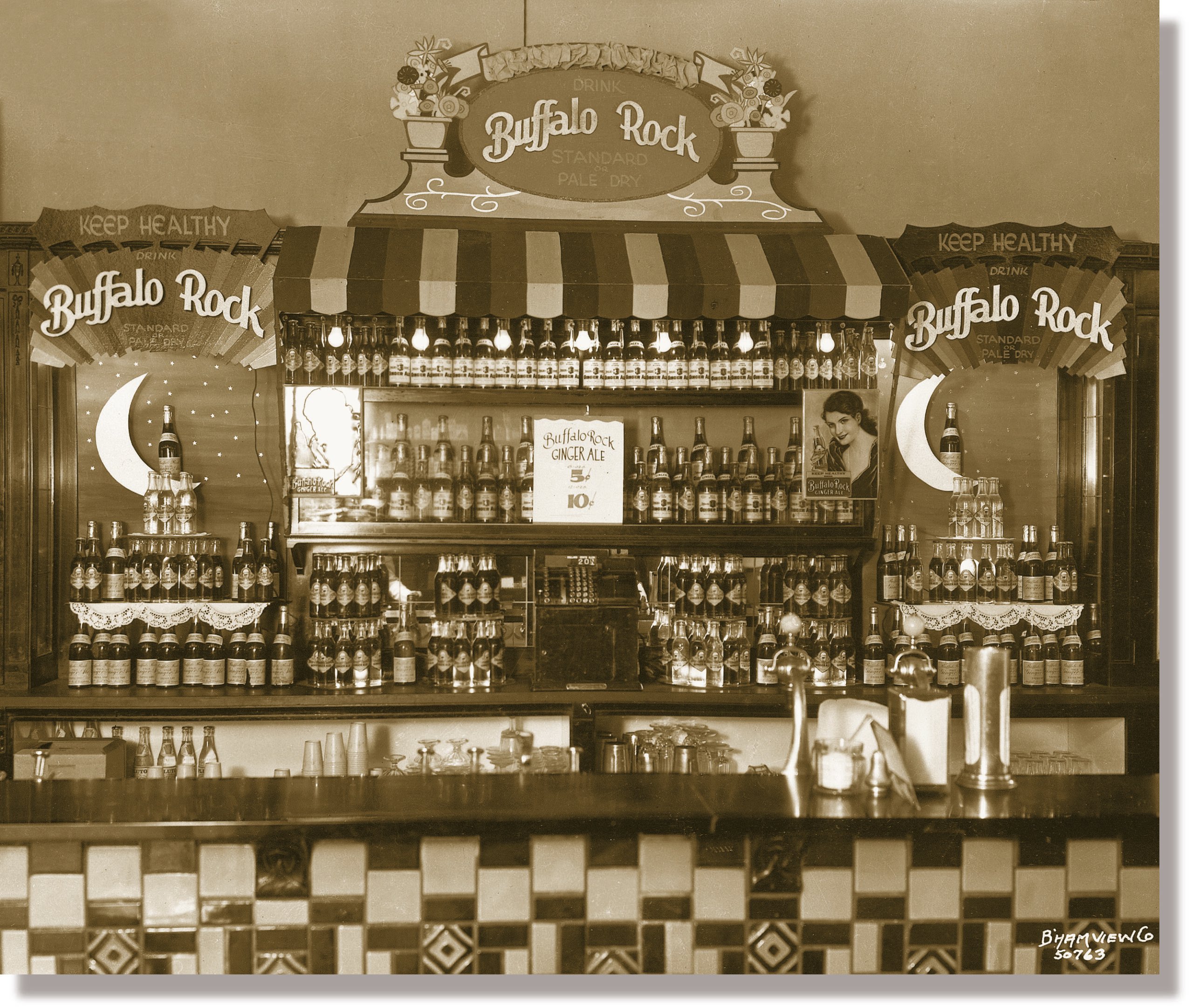
Limited by the geographic reach of returnable bottles, Lee sold syrup to bottlers outside of Birmingham. After repeated quality and pricing challenges, The Alabama Grocery Company brought all Buffalo Rock production back to Birmingham.
-
1916
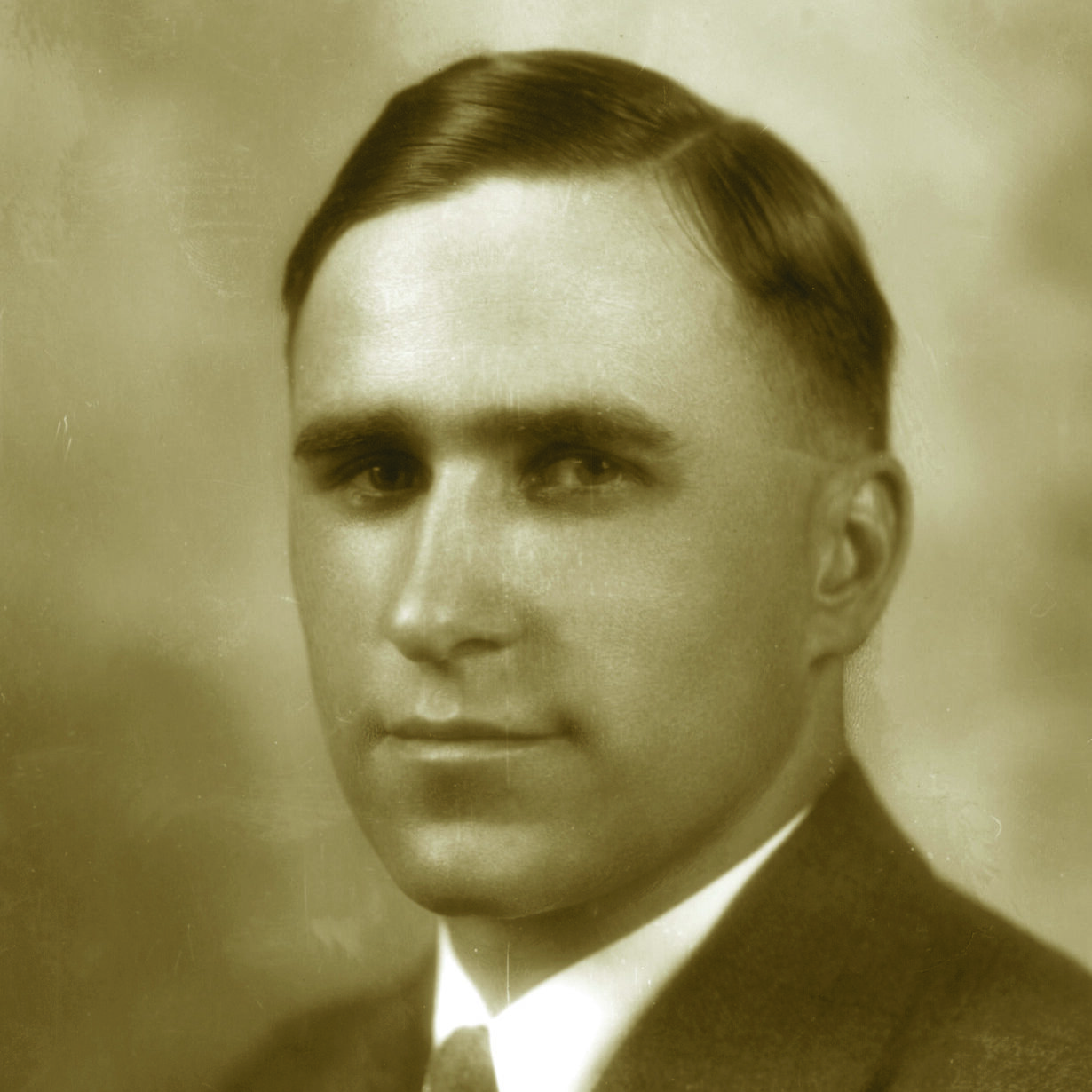
James C. Lee Sr. left a promising engineering career to help grow the family business. His plans were interrupted by World War I, and in 1918 he joined the 106th Engineers.
-
1919
Sidney Lee became involved in the national soft drink industry through what later became the American Beverage Association (ABA).
-
1922
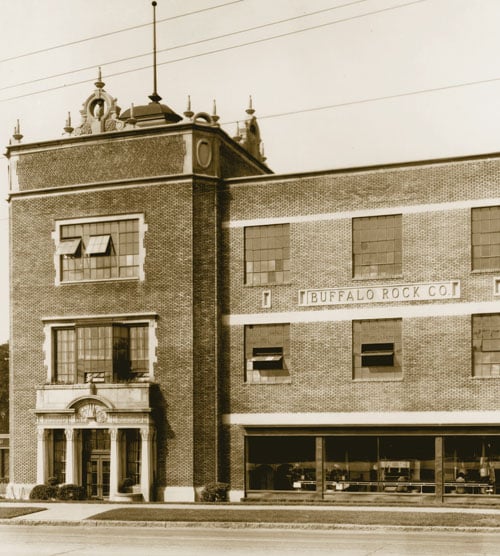
Buffalo Rock built its first full-scale bottling plant at 900 26th St. N in Birmingham.
-
1927
The Alabama Grocery Company officially changed its name to Buffalo Rock Company.
-
1930
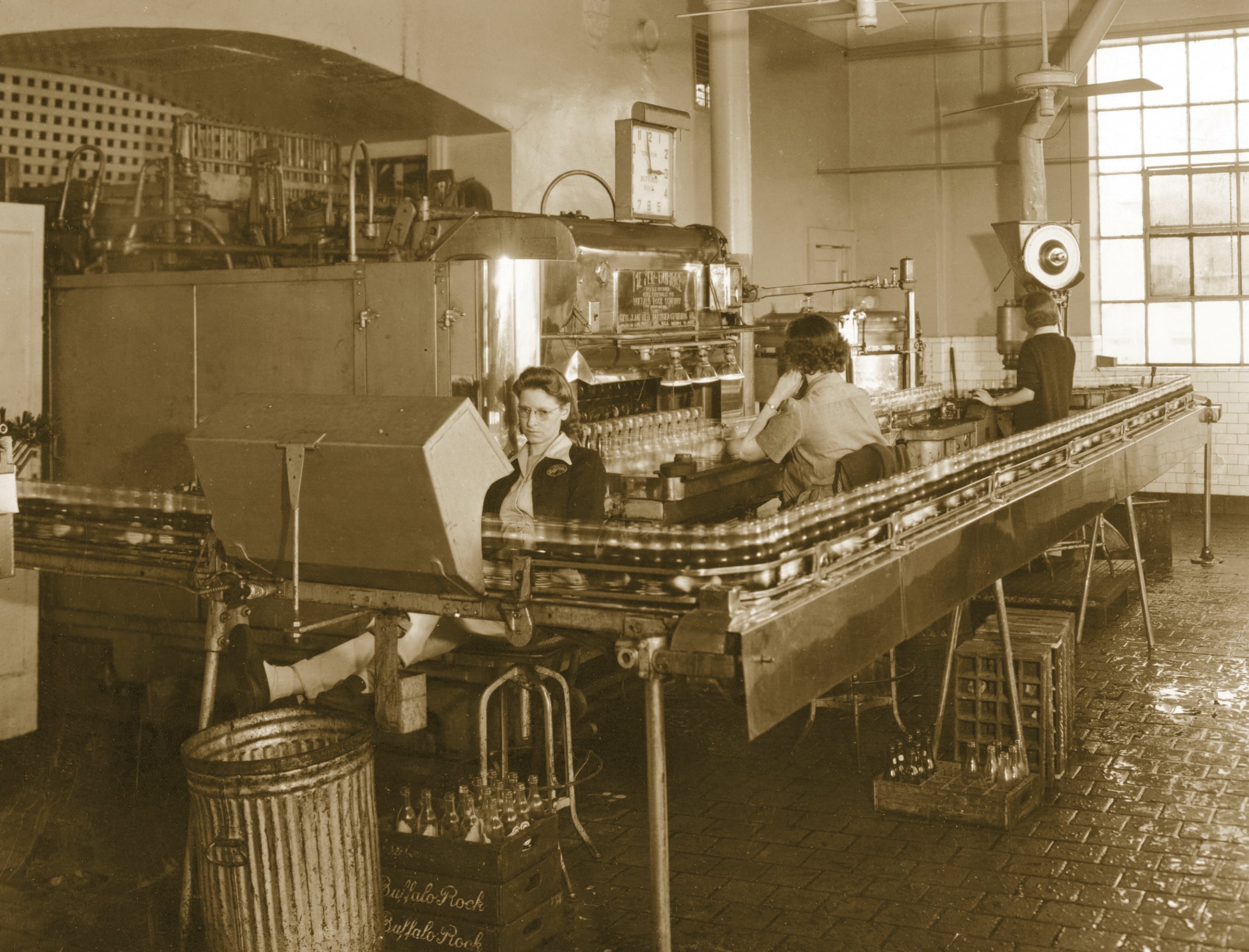
During the Great Depression, carbonated soft drinks remained a small, affordable pleasure. Despite economic hardship, Buffalo Rock continued to grow and employed 40 people.
-
1944
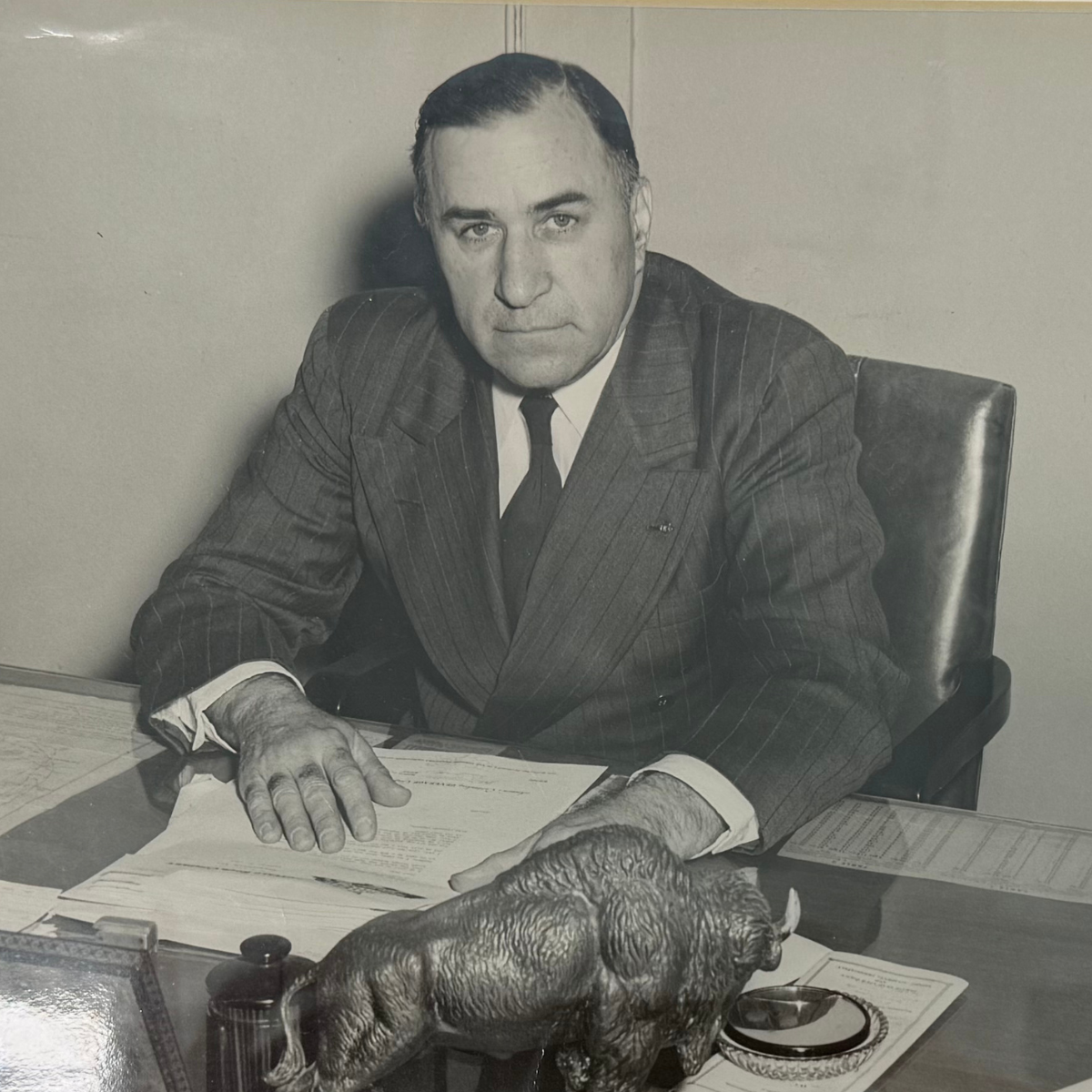
James C. Lee Sr. was named President of Buffalo Rock Company.
-
1945
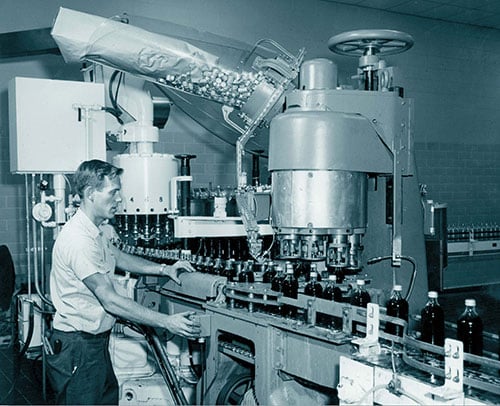
Lee modernized operations, boosting production from 160 to 240 bottles per minute. He also began negotiations for a Pepsi-Cola franchise covering Jefferson County and 13 surrounding counties.
-
1951
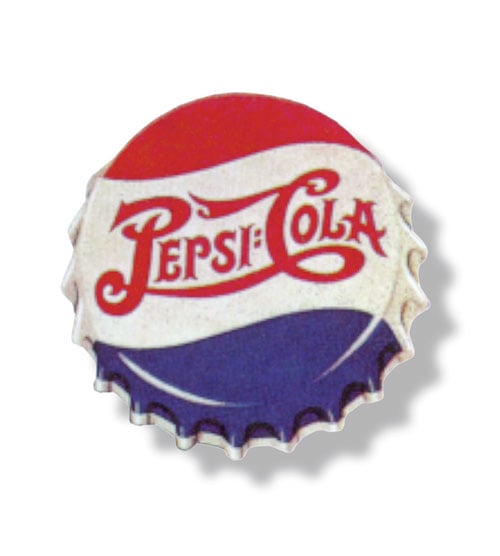
At age 31, James C. Lee Jr. became president of Buffalo Rock and successfully completed his father’s Pepsi-Cola franchise agreement.
-
1954
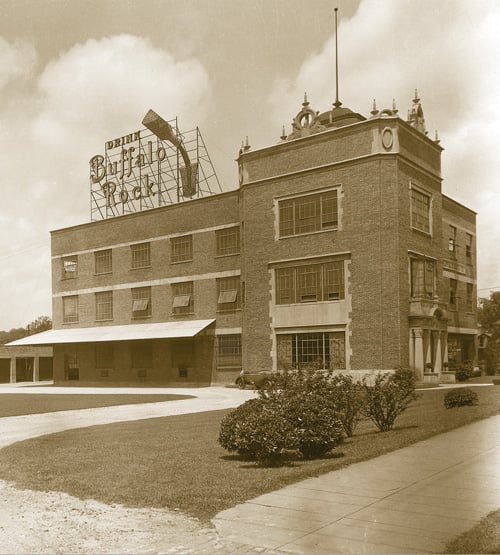
A $200,000 expansion of the 26th Street plant more than doubled production capacity.
-
1962
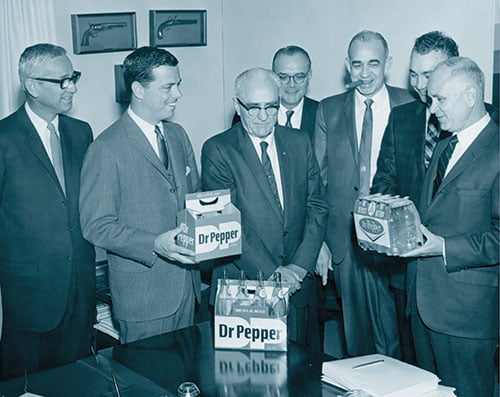
Buffalo Rock became the first bottler to own a Dr Pepper franchise.
-
1963
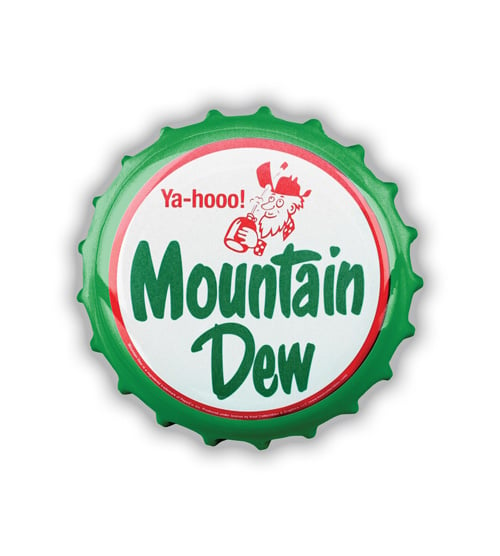
Buffalo Rock acquired Mountain Dew franchise rights.
-
1964
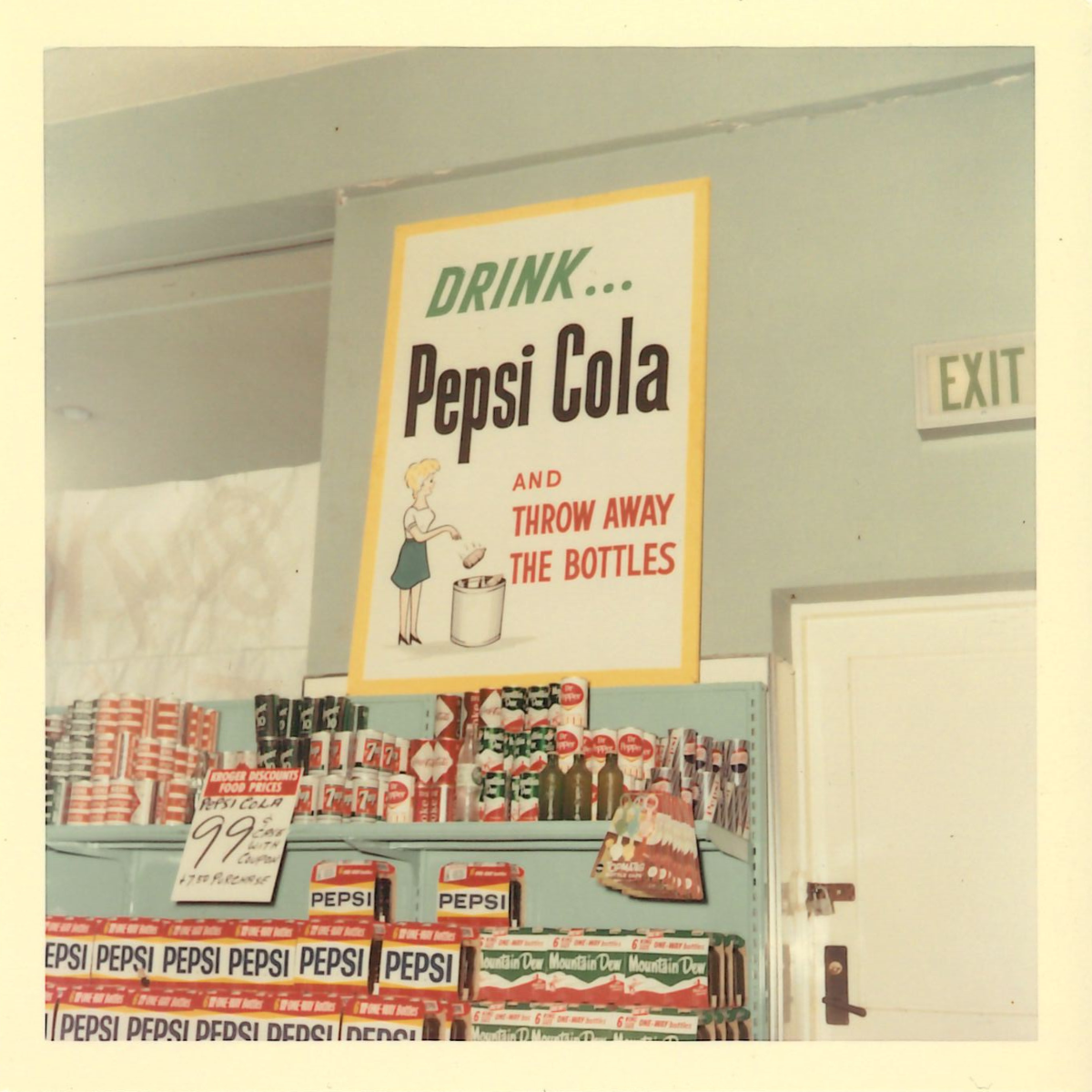
Jimmy Lee Jr. introduced the first non-returnable bottle, while Pepsi-Cola acquired production rights to Mountain Dew.
-
1966
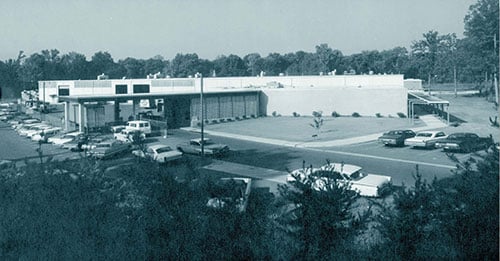
The company opened the 75,000-square-foot Oxmoor Road plant, doubling production.
-
1967
By acquiring a 7UP franchise, Buffalo Rock became the first plant in the United States to bottle Pepsi, Dr Pepper and 7UP under one roof.
-
1974
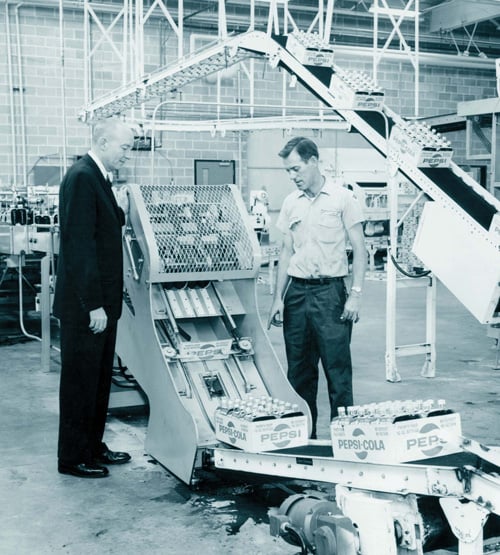
The company added its first canning line, capable of filling 400 cans per minute, to meet growing demand from vending machines.
-
1977
Buffalo Rock expanded outside Birmingham by acquiring the Gadsden franchise.
-
1981
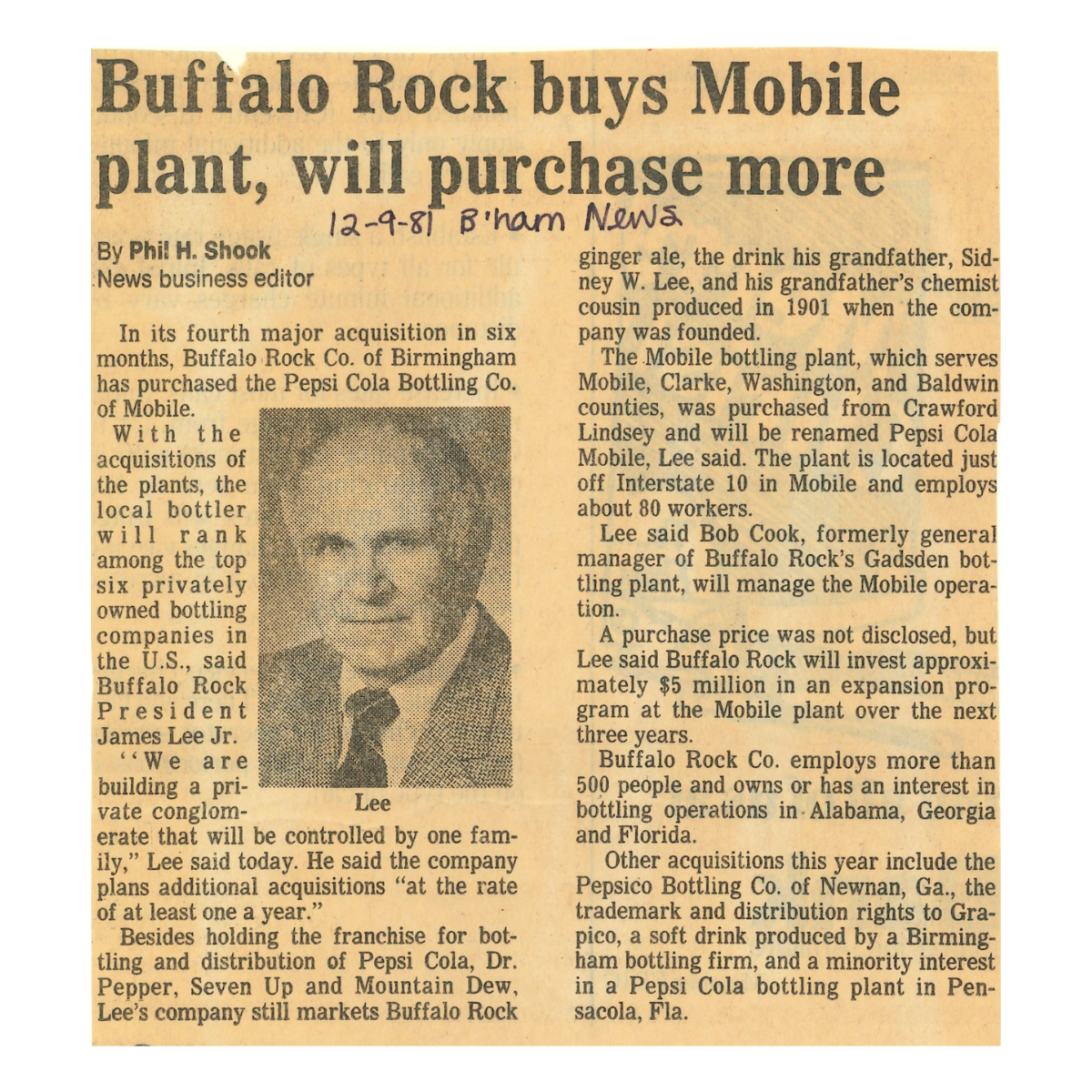
The company purchased the Mobile and Newnan franchises and the Grapico brand.
-
1983
Buffalo Rock acquired the Huntsville and Tuscumbia franchises and became the nation’s largest privately owned Pepsi bottler.
-
1984
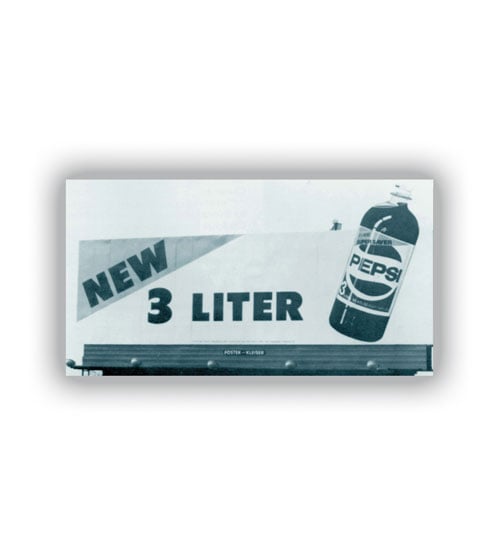
Buffalo Rock added the Pensacola franchise and introduced the 3-liter “3 Lee-ter” package, which received industry recognition.
-
1986
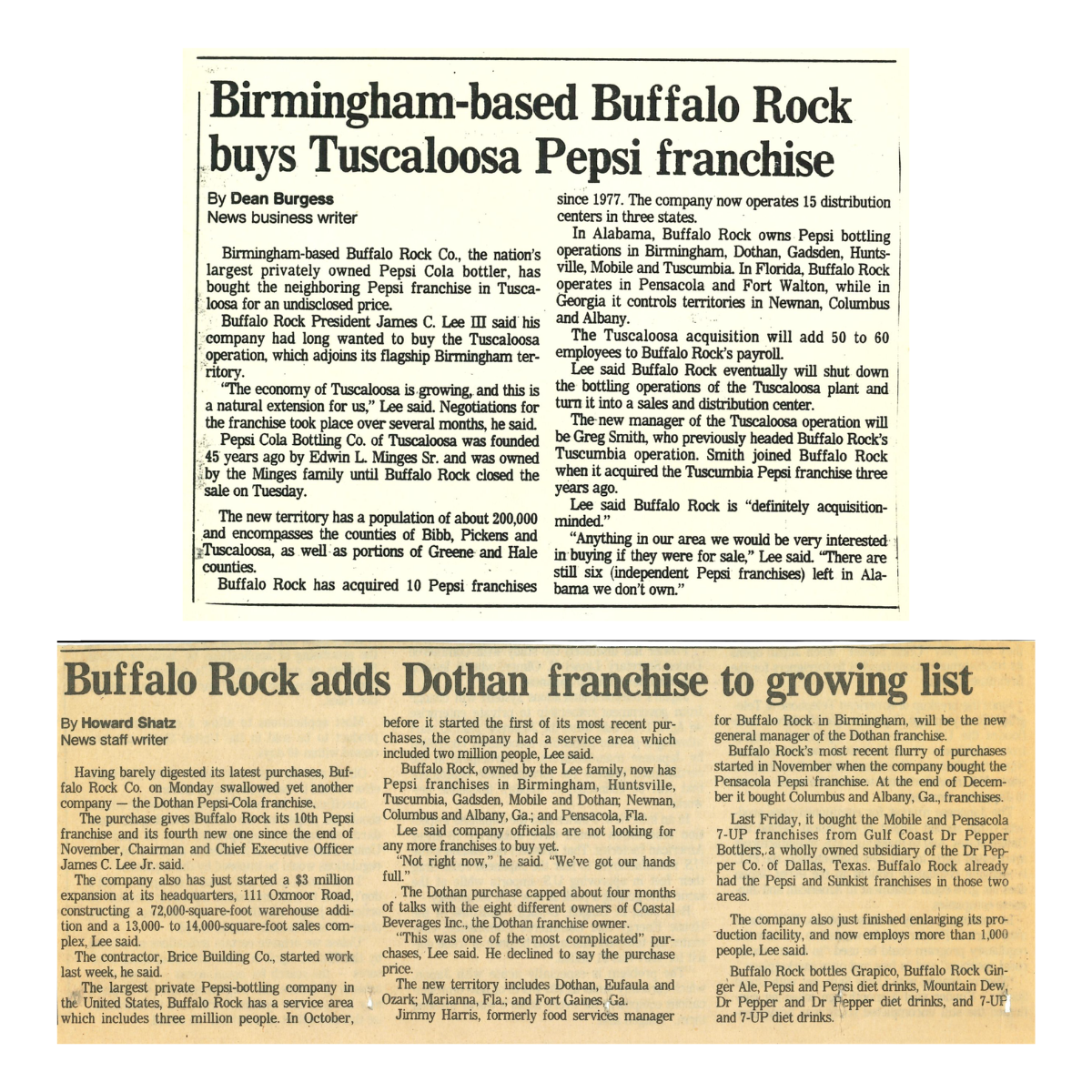
Buffalo Rock acquired the Albany, Columbus, Dothan, Panama City and Tuscaloosa franchises, prompting the sixth expansion to the Oxmoor Road plant.
-
1989
Buffalo Rock added the Talladega franchise.
-
1991
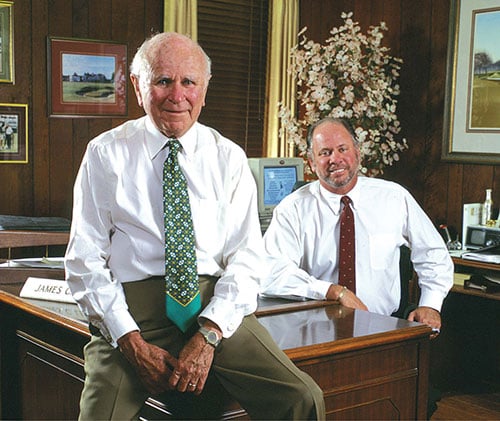
James C. Lee III was named President, while James C. Lee Jr. continued as Chairman and CEO.
-
1994
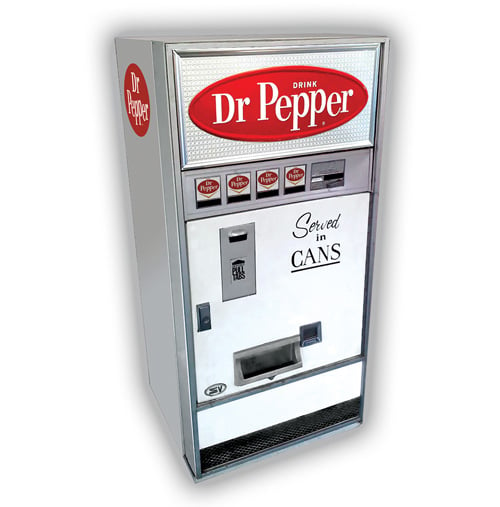
Buffalo Rock expanded into full-line vending, complementing its soft drink business and taking advantage of existing distribution lines.
-
1996
The company acquired the Montgomery franchise.
-
2001
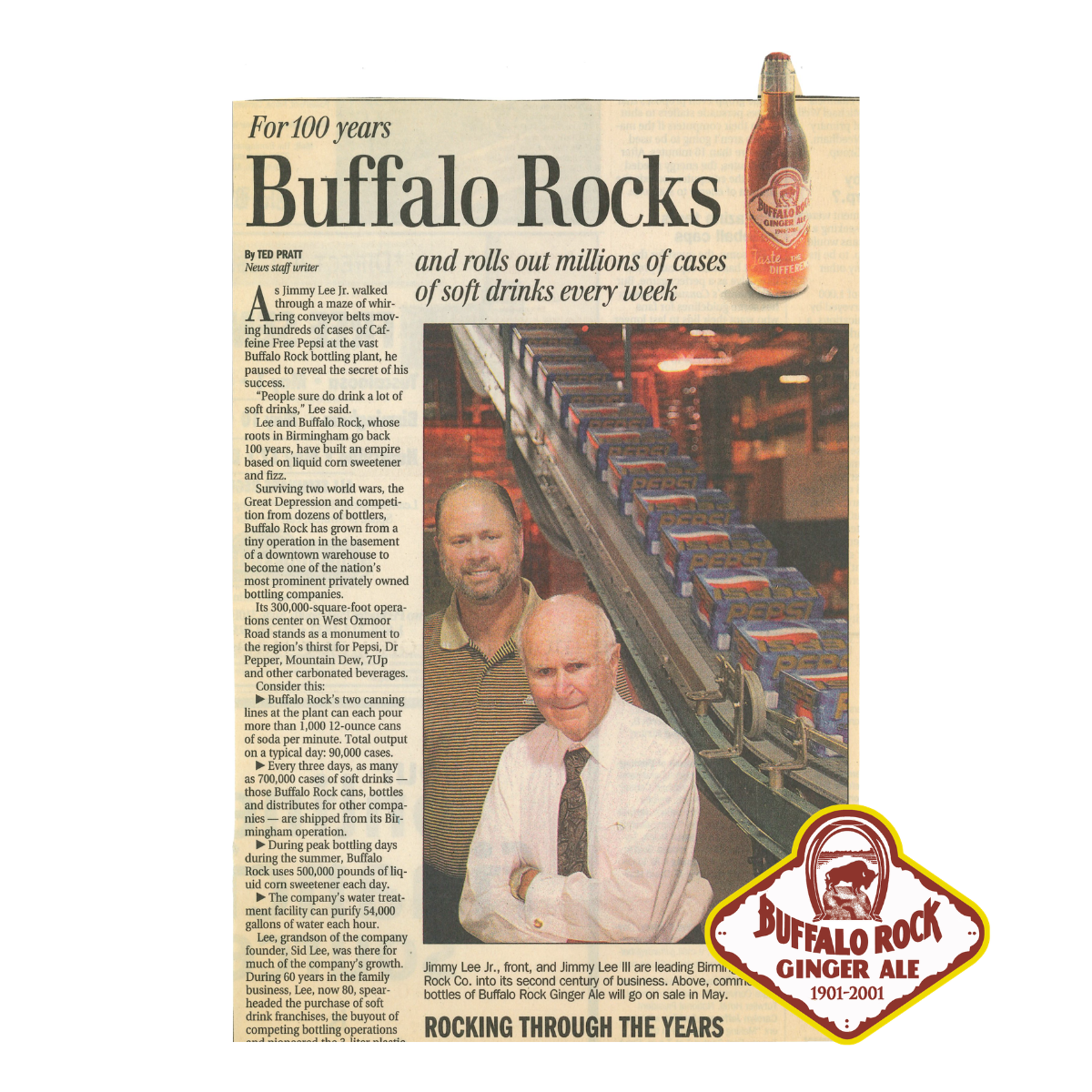
Buffalo Rock celebrated its 100th anniversary.
-
2006
Beverage Industry Magazine named Buffalo Rock Bottler of the Year.
-
2007
Buffalo Rock acquired Southeast Canners, a Georgia cooperative founded in 1979, increasing production capacity by more than 30%.
-
2011
Southeast Canners’ operations were folded into the company, which included transferring updated equipment to the Birmingham manufacturing location.
-
2012
The company installed its first micro markets in Newnan and Huntsville, marking Buffalo Rock’s expansion into modern vending through cashless technology and unattended markets.
-
2015
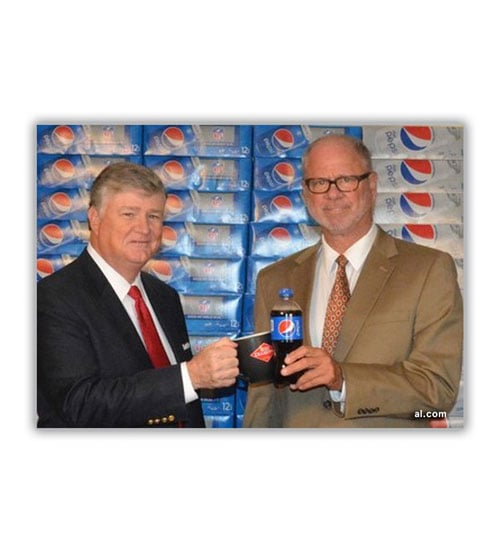
Buffalo Rock partnered with Red Diamond Coffee & Tea and implemented a reverse-osmosis water system, enabling the company to bottle its own water.
-
2020
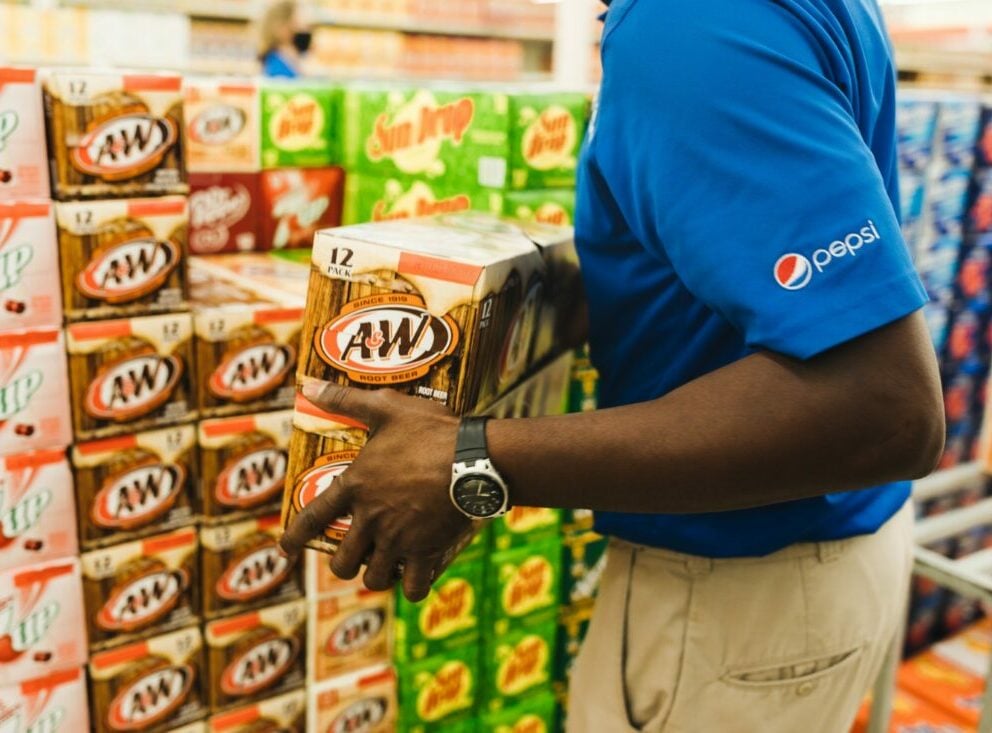
A landmark agreement with Keurig Dr Pepper expanded Buffalo Rock’s beverage portfolio by allowing competing brands to share delivery trucks. The company also unveiled a $300 million infrastructure plan.
-
2021
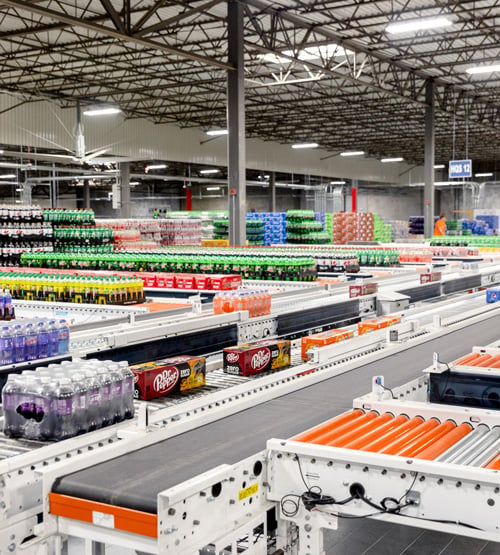
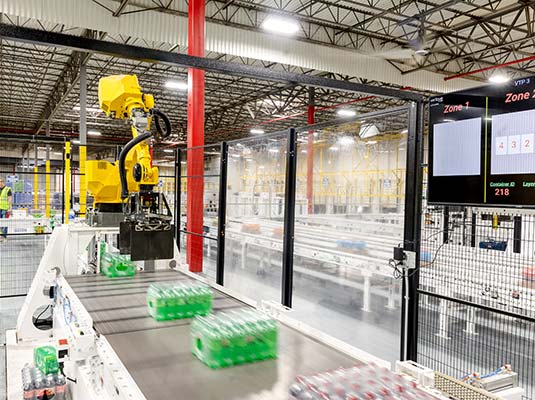
Matthew Dent was named President and CEO with James C. Lee III remaining as Chairman. The company opened the 895,000 square-foot Hub with a state-of-the-art automated pick system.
-
2022
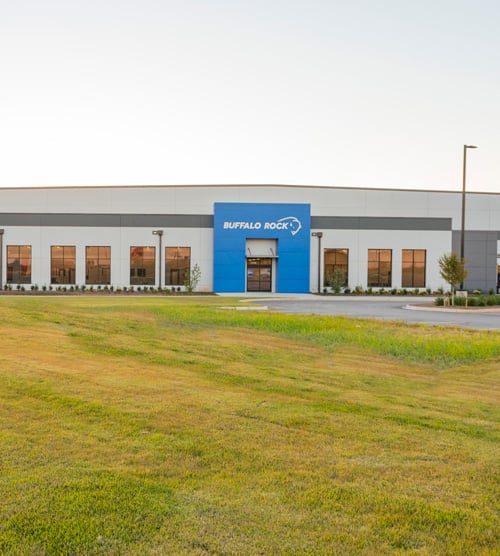
Buffalo Rock opened the new Birmingham Franchise Sales Center and the new Huntsville Franchise Sales Center.
-
2023
The Columbus Franchise Sales Center moved to a larger facility, doubling its warehouse capacity to accommodate continued brand expansion.
-
2024
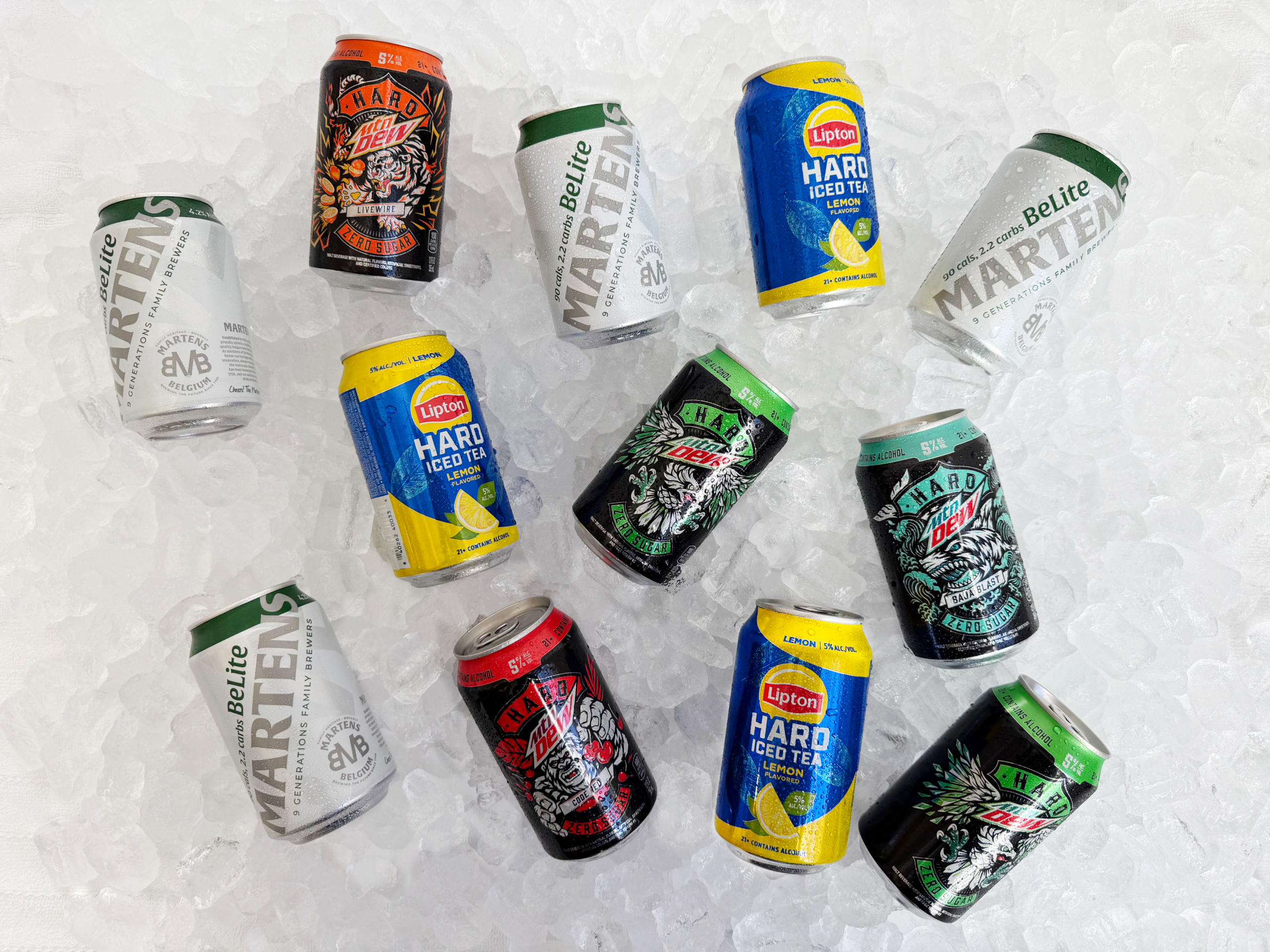
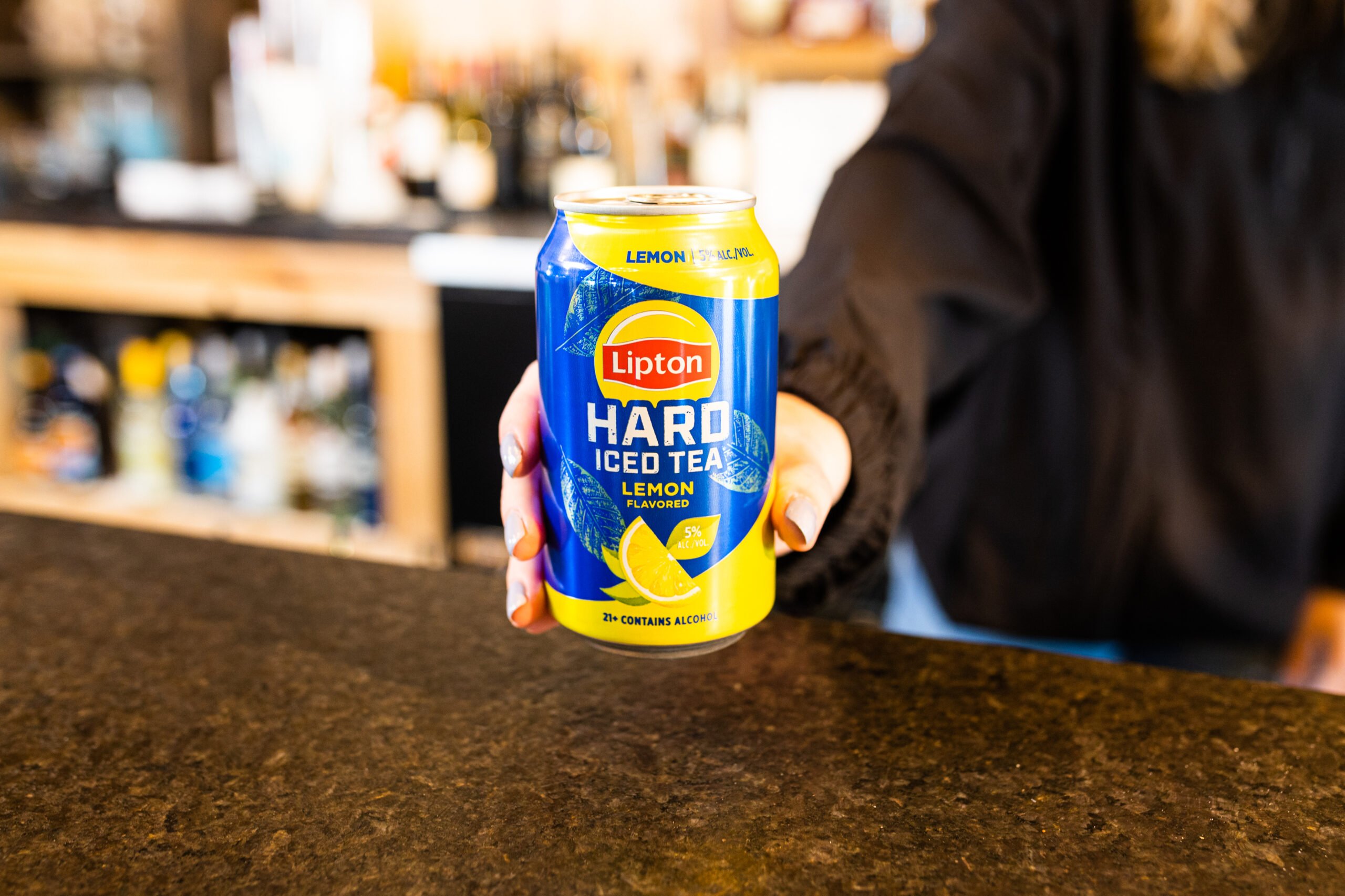
Buffalo Rock entered the alcohol category with Lipton Hard and Mountain Dew Hard. The Tuscaloosa Franchise Sales Center relocated to a new facility.
-
2025
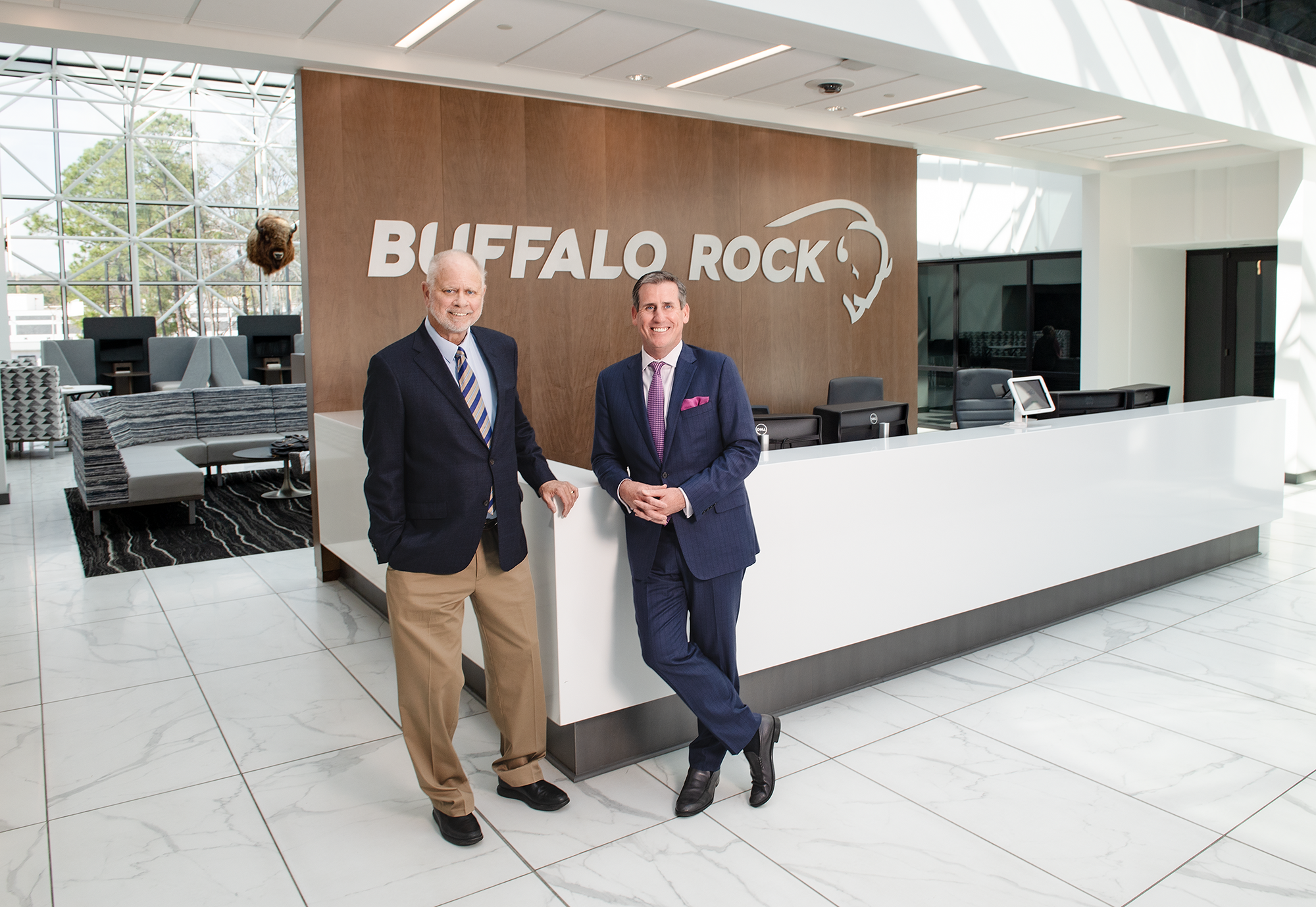
Buffalo Rock opened its 127,000-square-foot headquarters, relocated the Shoals Franchise Sales Center, launched the Santa Rosa Campus, and divested its full-line vending operation.
-
1901
Sidney Lee merged his wholesale grocery firm with a competitor to form The Alabama Grocery Company. In the basement, he experimented with his father-in-law’s ginger ale recipe.
-
1904
The Alabama Grocery Company moved to 1801 First Ave. N, dedicating additional space to its growing bottling operations.
-
1906
The company introduced Buffalo Rock Ginger Ale, based on a recipe created by pharmacist Ashby Coleman, Lee’s father-in-law.
-
1909
Limited by the geographic reach of returnable bottles, Lee sold syrup to bottlers outside of Birmingham. After repeated quality and pricing challenges, The Alabama Grocery Company brought all Buffalo Rock production back to Birmingham.
-
1916
James C. Lee Sr. left a promising engineering career to help grow the family business. His plans were interrupted by World War I, and in 1918 he joined the 106th Engineers.
-
1919
Sidney Lee became involved in the national soft drink industry through what later became the American Beverage Association (ABA).
-
1922
Buffalo Rock built its first full-scale bottling plant at 900 26th St. N in Birmingham.
-
1927
The Alabama Grocery Company officially changed its name to Buffalo Rock Company.
-
1930
During the Great Depression, carbonated soft drinks remained a small, affordable pleasure. Despite economic hardship, Buffalo Rock continued to grow and employed 40 people.
-
1944
James C. Lee Sr. was named President of Buffalo Rock Company.
-
1945
Lee modernized operations, boosting production from 160 to 240 bottles per minute. He also began negotiations for a Pepsi-Cola franchise covering Jefferson County and 13 surrounding counties.
-
1951
At age 31, James C. Lee Jr. became president of Buffalo Rock and successfully completed his father’s Pepsi-Cola franchise agreement.
-
1954
A $200,000 expansion of the 26th Street plant more than doubled production capacity.
-
1962
Buffalo Rock became the first bottler to own a Dr Pepper franchise.
-
1963
Buffalo Rock acquired Mountain Dew franchise rights.
-
1964
Jimmy Lee Jr. introduced the first non-returnable bottle, while Pepsi-Cola acquired production rights to Mountain Dew.
-
1966
The company opened the 75,000-square-foot Oxmoor Road plant, doubling production.
-
1967
By acquiring a 7UP franchise, Buffalo Rock became the first plant in the United States to bottle Pepsi, Dr Pepper and 7UP under one roof.
-
1974
The company added its first canning line, capable of filling 400 cans per minute, to meet growing demand from vending machines.
-
1977
Buffalo Rock expanded outside Birmingham by acquiring the Gadsden franchise.
-
1981
The company purchased the Mobile and Newnan franchises and the Grapico brand.
-
1983
Buffalo Rock acquired the Huntsville and Tuscumbia franchises and became the nation’s largest privately owned Pepsi bottler.
-
1984
Buffalo Rock added the Pensacola franchise and introduced the 3-liter “3 Lee-ter” package, which received industry recognition.
-
1986
Buffalo Rock acquired the Albany, Columbus, Dothan, Panama City and Tuscaloosa franchises, prompting the sixth expansion to the Oxmoor Road plant.
-
1989
Buffalo Rock added the Talladega franchise.
-
1991
James C. Lee III was named President, while James C. Lee Jr. continued as Chairman and CEO.
-
1994
Buffalo Rock expanded into full-line vending, complementing its soft drink business and taking advantage of existing distribution lines.
-
1996
The company acquired the Montgomery franchise.
-
2001
Buffalo Rock celebrated its 100th anniversary.
-
2006
Beverage Industry Magazine named Buffalo Rock Bottler of the Year.
-
2007
Buffalo Rock acquired Southeast Canners, a Georgia cooperative founded in 1979, increasing production capacity by more than 30%.
-
2011
Southeast Canners’ operations were folded into the company, which included transferring updated equipment to the Birmingham manufacturing location.
-
2012
The company installed its first micro markets in Newnan and Huntsville, marking Buffalo Rock’s expansion into modern vending through cashless technology and unattended markets.
-
2015
Buffalo Rock partnered with Red Diamond Coffee & Tea and implemented a reverse-osmosis water system, enabling the company to bottle its own water.
-
2020
A landmark agreement with Keurig Dr Pepper expanded Buffalo Rock’s beverage portfolio by allowing competing brands to share delivery trucks. The company also unveiled a $300 million infrastructure plan.
-
2021
Matthew Dent was named President and CEO with James C. Lee III remaining as Chairman. The company opened the 895,000 square-foot Hub with a state-of-the-art automated pick system.
-
2022
Buffalo Rock opened the new Birmingham Franchise Sales Center and the new Huntsville Franchise Sales Center.
-
2023
The Columbus Franchise Sales Center moved to a larger facility, doubling its warehouse capacity to accommodate continued brand expansion.
-
2024
Buffalo Rock entered the alcohol category with Lipton Hard and Mountain Dew Hard. The Tuscaloosa Franchise Sales Center relocated to a new facility.
-
2025
Buffalo Rock opened its 127,000-square-foot headquarters, relocated the Shoals Franchise Sales Center, launched the Santa Rosa Campus, and divested its full-line vending operation.
Purpose
“Building brands through legendary service and remarkable people.”
Our Values
-
We care for each other.
One Team. -
Obsessed with
continuous improvement. -
Integrity matters.
-
Committed to serving
our communities. -
Customer success
drives our success. -
Win the day!
Our Culture
Our culture is one of legendary service and remarkable people. Living out the principle of One Team, we accomplish more together than we ever could alone. Our roots as a local company run deep. We live here, we work here, and we are committed to serving our community. Because we care genuinely for one another and the work we do, we are constantly striving to do better, be better, and make a positive impact.
Learn More
-
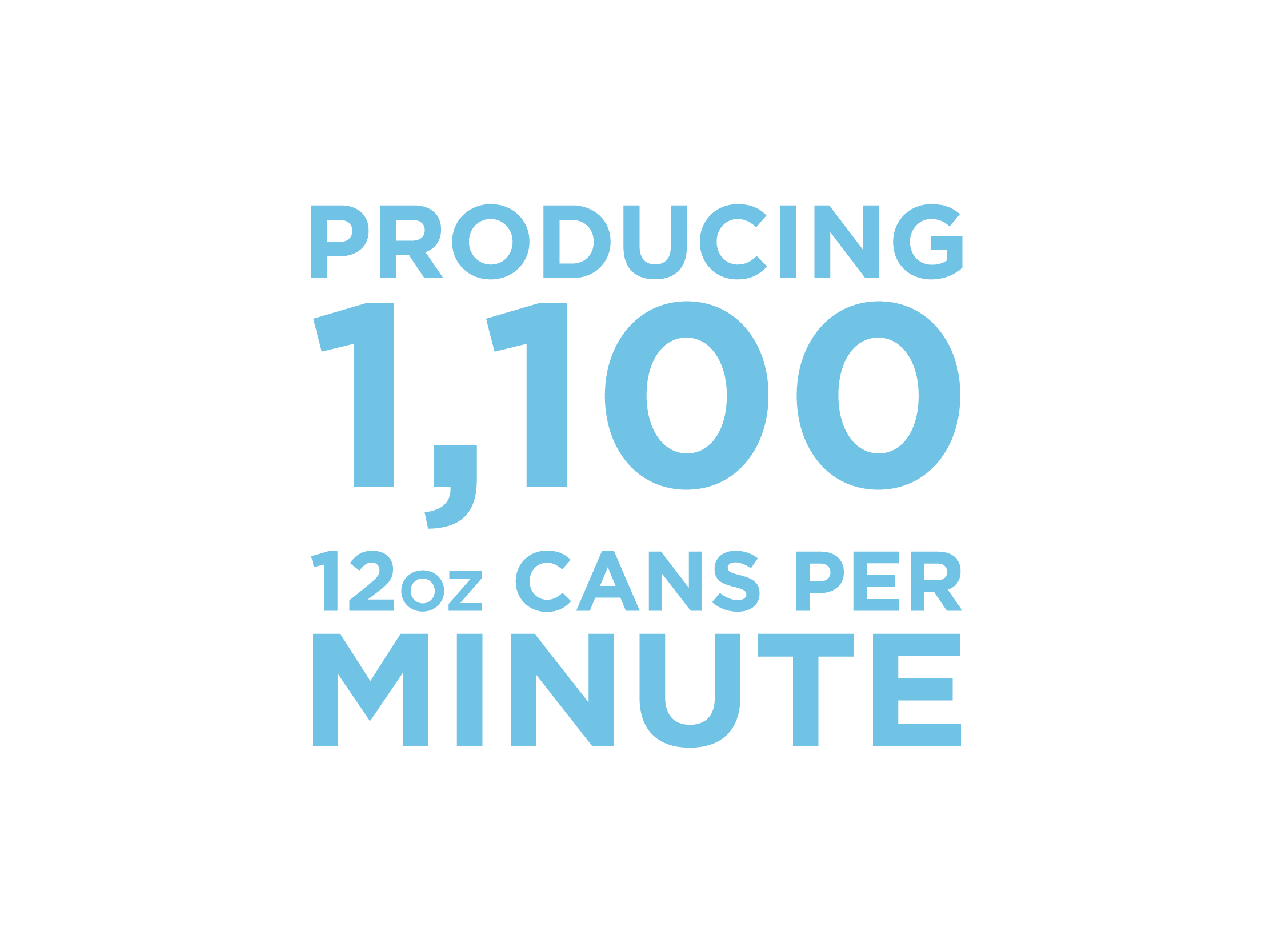
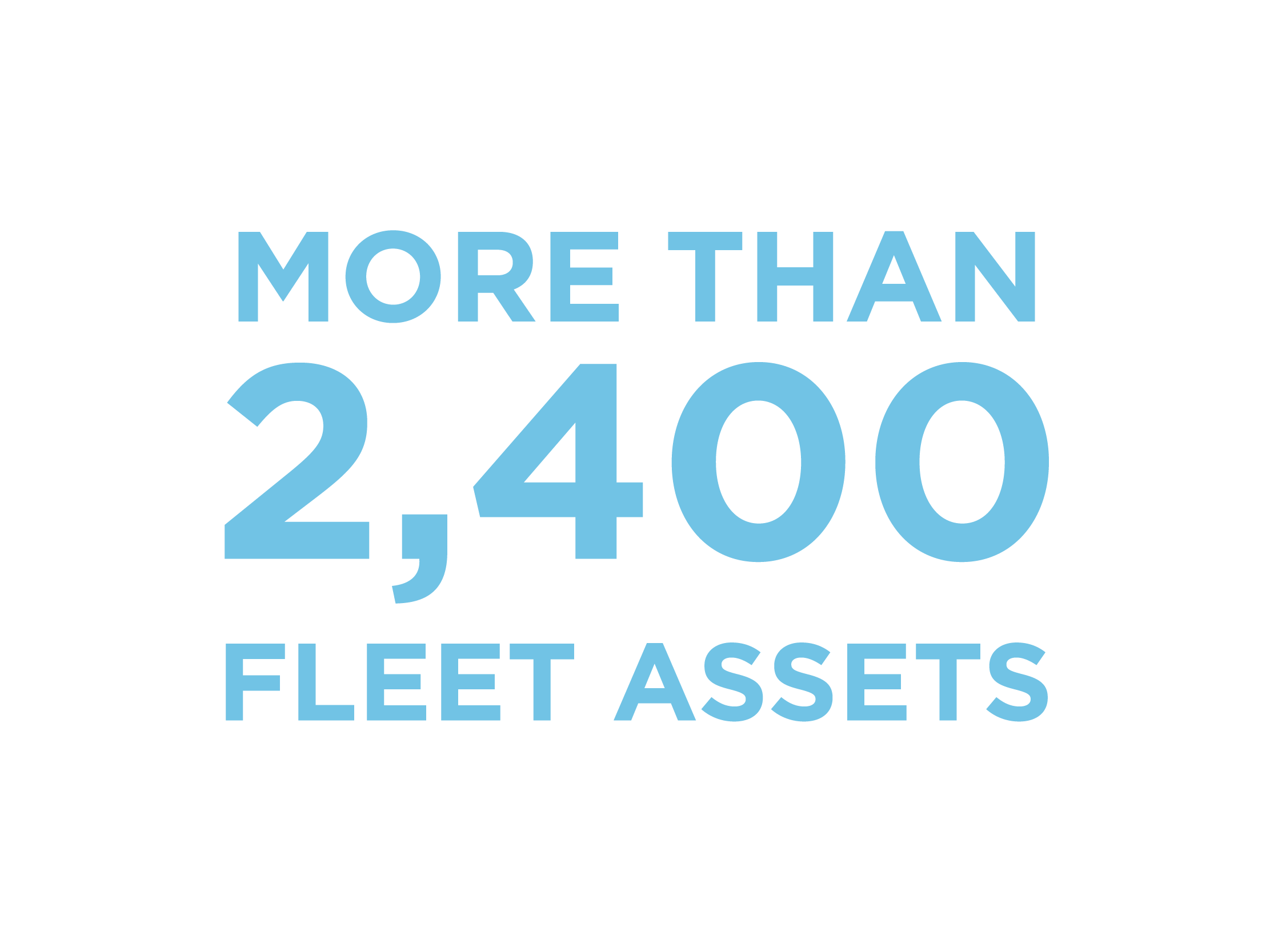
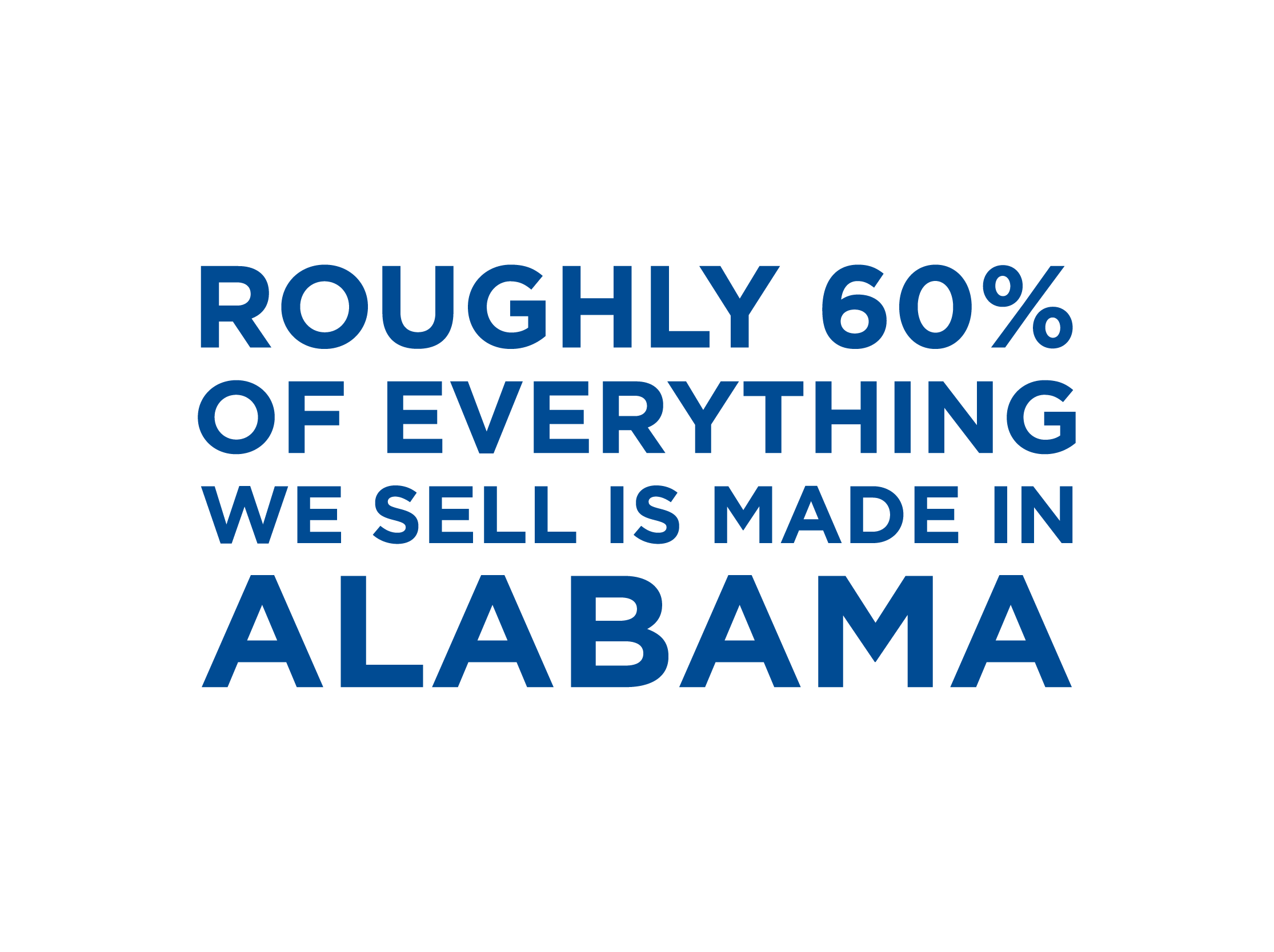
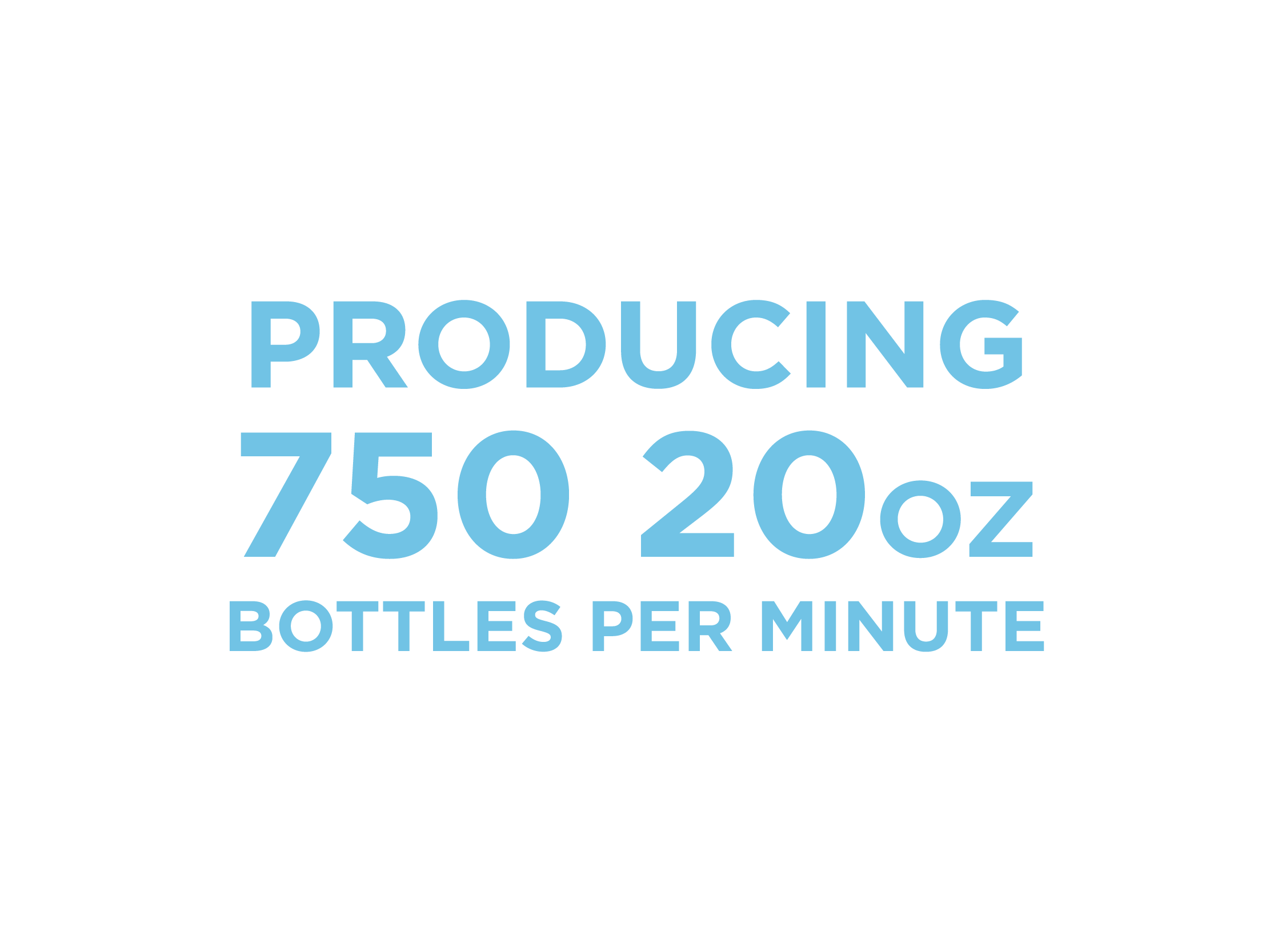
Fast Facts
Fast Facts